
 MAY
MAY
 EN
EN  TH
TH  CHT
CHT  ID
ID  BUR
BUR  FIL
FIL  HKM
HKM  LAO
LAO  SIN
SIN  VIE
VIE 
Dalam dunia teknologi paparan moden,UHDDan4KAdalah syarat-syarat yang sering digunakan secara bertukaran, tetapi mereka tidak betul-betul sama. Sebagai papan putih interaktif 4K, papan putih interaktif UHD, televisyen, dan monitor profesional terus berkembang, memahami perbezaan halus antara UHD dan 4K adalah penting untuk perniagaan, pendidik, dan pengguna yang mahukan pengalaman tontonan terbaik. Perbezaan mungkin tidak sentiasa dengan serta-merta jelas kepada pengguna kasual, tetapi untuk profesional yang bergantung pada paparan resolusi tinggi, perbezaan ini perkara banyak. Artikel ini menyediakan penjelasan yang komprehensif dan terperinci mengenai UHD vs 4K, termasuk definisi, aplikasi, pertimbangan kos, dan bagaimana Qtenboard memanfaatkan teknologi ini dalam papan putih interaktif 4K dan papan putih interaktif UHD.
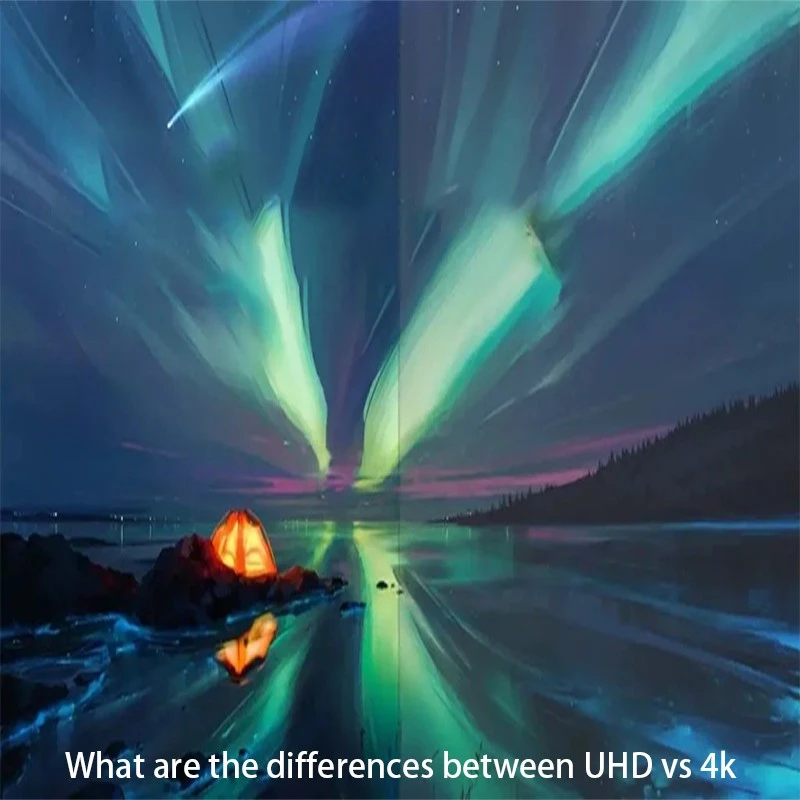
Langkah pertama untuk memahami perbezaan antara UHD dan 4K adalah untuk menentukan apa yang mewakili setiap resolusi.
UHD (definisi tinggi Ultra)Biasanya merujuk kepada resolusi 3840x2160 piksel, yang betul-betul dua kali kiraan piksel mendatar dan menegak HD penuh (1920x1080). UHD telah menjadi standard dalam elektronik pengguna untuk papan putih interaktif UHD, monitor, dan papan tanda digital. Ia menyediakan imej tajam dan tajam yang sesuai untuk kegunaan umum di rumah, pejabat, dan tetapan profesional pertengahan.
4K, Di sisi lain, merujuk kepada resolusi 4096x2160 piksel. Istilah ini berasal dari industri filem dan pawagam, di mana 4K menjadi standard untuk unjuran filem digital. Kiraan piksel mendatar yang lebih tinggi membolehkan butiran yang lebih tepat dalam penciptaan kandungan profesional, penyuntingan video, dan persembahan sinematik pada papan putih interaktif 4K.
Walaupun perbezaan 256 piksel secara mendatar mungkin kelihatan kecil, dalam aplikasi profesional di mana kejelasan imej dan perkara terperinci-seperti pengeluaran filem atau paparan pengiklanan mewah pada papan putih interaktif 4K-perbezaan adalah kritikal.
Bagi kebanyakan pengguna umum, UHD dan 4K kelihatan sama sekilas. Tetapi apabila melihat papan putih interaktif 4K besar atau papan putih interaktif UHD dekat, atau apabila menghasilkan kandungan yang memerlukan ketepatan sempurna piksel, piksel tambahan 4K memberikan kelebihan ketara.
- 1. Standard dan industri asal
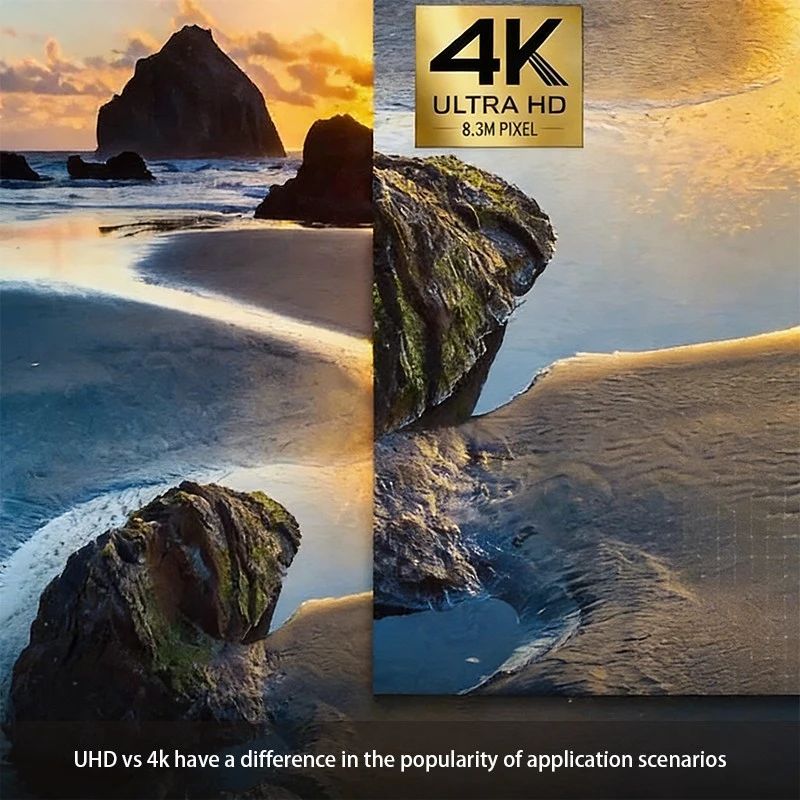
UHD dan 4K berasal dari industri yang berbeza dan untuk tujuan yang berbeza. UHD menjadi meluas digunakan dalam ruang elektronik pengguna untuk televisyen, monitor, dan papan putih interaktif UHD, menawarkan cara yang kos efektif untuk menyampaikan visual resolusi tinggi. 4K, walau bagaimanapun, telah dibangunkan untuk industri perfileman, memastikan pembuat filem boleh projek kandungan yang sangat terperinci ke skrin pawagam. Akibatnya, UHD lebih biasa dilihat di rumah dan pejabat (UHD interactive whiteboards), manakala 4K menguasai persekitaran profesional (papan putih interaktif 4K). - 2. Butiran skrin dan kejelasan
Semakin tinggi resolusi, lebih banyak maklumat paparan boleh dipaparkan. Skrin UHD dan 4K pada papan putih interaktif membolehkan penonton melihat tekstur, tepi, dan butiran halus lebih jelas daripada paparan HD penuh. Untuk perniagaan menggunakan papan tanda digital pada papan putih interaktif 4K, ini bermakna logo, butiran produk, dan kandungan promosi lebih tajam dan lebih menarik. Papan putih interaktif 4K Qtenboard cemerlang dalam hal ini, menyediakan paparan yang jelas kristal sesuai untuk bilik darjah, mesyuarat korporat, dan persembahan profesional. - 3. Senario permohonan
UHD digunakan secara meluas dalam perkhidmatan penstriman, hiburan rumah, permainan, dan papan putih interaktif UHD tujuan umum. Resolusinya memberikan kejelasan yang sangat baik sambil mengekalkan kos efektif.
4K sering digunakan dalam aplikasi profesional: penyuntingan filem, pengiklanan komersial, papan tanda digital mewah, dan papan putih interaktif 4K yang memerlukan butiran maksimum. Papan putih interaktif 4K Qtenboard direka untuk memenuhi keperluan profesional yang menuntut ini. - 4. Perbezaan kos
Kerana 4K adalah standard profesional, papan putih interaktif 4K dengan panel 4K yang benar sering membawa tag harga yang lebih tinggi. UHD whiteboards interaktif dengan panel UHD lebih berpatutan dan mencukupi untuk kebanyakan aplikasi setiap hari, termasuk paparan pejabat, pendidikan, dan papan tanda digital umum. Melabur dalam papan putih interaktif 4K mungkin berbaloi untuk perniagaan yang perlu menarik perhatian pelanggan, mencipta kandungan resolusi tinggi, atau mempamerkan produk dengan ketepatan warna yang sempurna dan terperinci.
Qtenboard memanfaatkan teknologi UHD dan 4K dalam garis papan putih interaktif 4K, papan putih interaktif UHD dan papan tanda digital. Bergantung kepada aplikasi, Qtenboard menyediakan:
- Papan putih interaktif 4K untuk mesyuarat korporat, studio reka bentuk, dan bilik darjah yang memerlukan perincian ultra tinggi dan kejelasan imej gred profesional.
- UHD whiteboards interaktif untuk bilik darjah, pusat latihan, dan persekitaran pejabat umum, menawarkan kualiti visual yang sangat baik pada harga yang lebih kos efektif.
Papan putih interaktif 4K dan papan putih interaktif UHD membolehkan pengguna memaparkan gambar rajah yang rumit, foto resolusi tinggi, dan dokumen terperinci tanpa menjejaskan kualiti. Sama ada ia mengganggu pembentangan, bekerjasama dalam kandungan video masa nyata, atau streaming, papan putih interaktif Qtenboard 4K dan UHD memastikan kandungannya diberikan dengan jelas dan jelas.
| Ciri-ciri | UHD (3840 × 2160) untuk papan putih interaktif UHD | 4K (4096 × 2160) untuk papan putih interaktif 4K |
|---|---|---|
| Asal-usul | Elektronik pengguna | Industri filem dan pawagam |
| Piksel | ~ 8.3 juta | ~ 8.8 juta |
| Penggunaan yang Ideal | Hiburan rumah, papan putih interaktif UHD pejabat, papan tanda digital umum | Penyuntingan video profesional, papan tanda digital mewah, papan putih interaktif 4K |
| Kos | Sederhana | Lebih tinggi |
| Terperinci | Tinggi | Sangat tinggi, sesuai untuk kandungan profesional |
| Populariti | Sangat biasa | Persekitaran profesional dan pasaran mewah |
| Penggunaan Qtenboard | Latihan, bilik darjah, kerjasama pejabat (UHD whiteboards interaktif) | Mesyuarat korporat, persembahan terperinci tinggi, studio reka bentuk (papan putih interaktif 4K) |
Jarak dan saiz skrin
Jarak tontonan dan saiz skrin boleh memberi kesan sama ada UHD atau 4K lebih bermanfaat untuk papan putih interaktif. Untuk papan putih interaktif 4K besar atau papan putih interaktif UHD, 4K membolehkan penonton dekat dengan skrin untuk melihat lebih terperinci tanpa melihat pixelation. UHD cukup untuk papan putih interaktif UHD yang lebih kecil atau apabila penonton jauh.
Kandungan profesional vs penggunaan umum
Untuk pereka profesional, pendidik, atau pasukan pemasaran yang menghasilkan kandungan terperinci tinggi, papan putih interaktif 4K sangat disyorkan. UHD whiteboards interaktif lebih daripada mencukupi untuk persembahan perniagaan umum, bilik darjah, atau monitor pejabat.
Trend pasaran dan implikasi harga
Permintaan untuk paparan resolusi tinggi semakin meningkat, terutamanya sebagai pencipta kandungan, perniagaan, dan institusi pendidikan memerlukan visual yang lebih mendalam dan terperinci pada papan putih interaktif 4K dan UHD. Papan putih interaktif 4K Qtenboard sejajar dengan trend ini. Walau bagaimanapun, apabila permintaan untuk panel lanjutan meningkat, bahan dan kos komponen juga meningkat, yang bermaksud harga papan putih interaktif 4K dan UHD mungkin naik. Untuk perancangan perniagaan untuk menaik taraf, adalah dinasihatkan untuk membuat pesanan awal untuk mengunci harga semasa dan papan putih interaktif 4K/UHD berkualiti tinggi tanpa berlengah-lengah.
S1: bolehkah pengguna purata memberitahu perbezaan antara UHD dan 4K pada papan putih interaktif?A1: pada jarak tontonan biasa pada skrin papan putih interaktif kecil, perbezaannya mungkin tidak ketara. Walau bagaimanapun, untuk papan putih interaktif 4K/UHD besar atau aplikasi profesional, papan putih interaktif 4K memberikan butiran yang lebih halus dan visual yang lebih tepat.
Q2: sekiranya bilik darjah melabur dalam papan putih interaktif 4K atau UHD?A2: UHD whiteboards interaktif adalah mencukupi untuk kebanyakan tujuan pendidikan, tetapi papan putih interaktif 4K memberikan kejelasan unggul untuk pelajaran interaktif, rajah terperinci, dan projek kerjasama, terutamanya pada paparan besar.
S3: bagaimanakah Qtenboard mengintegrasikan teknologi UHD dan 4K ke dalam papan putih interaktif?A3: Qtenboard menawarkan pelbagai papan putih interaktif UHD dan papan putih interaktif 4K yang disesuaikan dengan persekitaran profesional dan pendidikan, memastikan pembiakan imej berkualiti tinggi dan pengalaman pengguna yang mendalam.
S4: tidak melabur dalam whiteboards interaktif 4K masa depan-bukti paparan saya?A4: ya. Oleh kerana kualiti kandungan terus meningkat dan media 4K menjadi standard, papan putih interaktif 4K memastikan keserasian dan panjang umur untuk aplikasi profesional.
Memilih antara UHD dan 4K whiteboards interaktif memerlukan analisis yang teliti terhadap aplikasi, bajet, dan keperluan penonton. UHD interactive whiteboards menawarkan kualiti yang sangat baik untuk kegunaan harian dan aplikasi perniagaan umum, manakala papan putih interaktif 4K adalah yang terbaik untuk senario profesional yang memerlukan detail maksimum dan kesetiaan visual. Pelbagai papan putih interaktif UHD dan papan putih interaktif 4K memastikan perniagaan, pendidik, dan pencipta kandungan dapat mencapai kualiti paparan yang terbaik.
Dengan kos komponen yang semakin meningkat, meletakkan pesanan awal untuk UHD resolusi tinggi Qtenboard dan papan putih interaktif 4K boleh mengunci harga semasa dan menjamin akses kepada teknologi terkini, memastikan perniagaan atau kelas anda mendapat manfaat daripada visual yang jelas dan mendalam selama bertahun-tahun yang akan datang.