Dalam era pemantauan digital moden dan sistem paparan yang besar, matriks skrin splicing memainkan peranan yang sangat diperlukan sebagai komponen teknologi teras. Ia bukan sahaja membolehkan penukaran cekap antara pelbagai isyarat input dan terminal output tetapi juga memastikan kestabilan dan prestasi definisi tinggi sistem paparan. Dengan pertumbuhan berterusan perisikan bandar, digitalisasi perusahaan, dan keperluan paparan komersial, kepentingan matriks skrin splicing telah menjadi semakin menonjol. Qtenboard, sebagai pembekal profesional penyelesaian paparan skrin besar, memanfaatkan teknologi canggih dan pengalaman industri yang kaya untuk mencapai kelebihan yang signifikan dalam bidang matriks skrin splicing. Produknya digunakan secara meluas dalam pemantauan keselamatan, pusat arahan perusahaan, pemantauan trafik, paparan komersial, dan pengajaran pendidikan, antara senario lain.
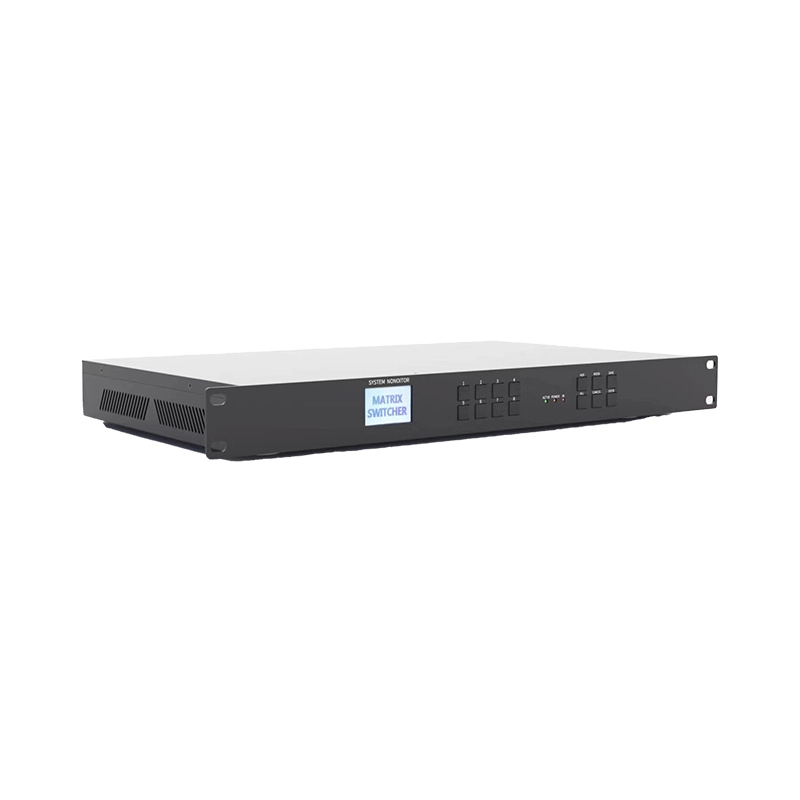
Matriks skrin splicing adalah unit kawalan teras sistem skrin besar moden. Fungsi utamanya adalah dengan cekap menukar isyarat input M ke terminal output N. Isyarat input boleh menjadi video analog, video digital, atau isyarat bercampur. Dengan menggunakan matriks, pengguna boleh memaparkan sebarang isyarat input pada mana-mana terminal, mencapai penjadualan isyarat fleksibel dan pengurusan skrin.
Dalam aplikasi praktikal, matriks skrin splicing sering menyokong kawalan jauh, membolehkan operasi melalui papan kekunci, alat kawalan jauh, atau sistem komputer. Matriks skrin splicing Qtenboard cemerlang dalam kemudahan operasi, membolehkan pengguna dengan cepat menguruskan sistem yang kompleks tanpa latihan yang luas, dengan ketara meningkatkan kecekapan pengurusan sistem.
Menurut cara pensuisan video dilaksanakan, matriks skrin splicing terutamanya dibahagikan kepada matriks analog dan matriks digital.
Matriks Analog melakukan penukaran isyarat pada tahap video analog. Unit kawalan teras biasanya menggunakan mikropengawal atau cip kompleks untuk mengawal suis analog untuk penghalaan input-output. Matriks Analog telah digunakan secara meluas dalam sistem pemantauan awal kerana kos rendah dan masa tindak balas yang cepat. Walau bagaimanapun, dalam senario splicing resolusi tinggi atau pelbagai skrin, kemerosotan isyarat atau gangguan mungkin berlaku.
Qtenboard mengoptimumkan matriks analog dengan litar berkualiti tinggi dan teknologi penapisan isyarat untuk meminimumkan pengecilan dan gangguan. Ini memastikan kejelasan dan kesinambungan paparan skrin splicing. Sama ada di pusat pemantauan keselamatan yang besar atau dewan arahan perusahaan, matriks skrin splicing Qtenboard menyediakan pensuisan isyarat yang stabil dan cekap.
Matriks Digital melakukan penukaran pada lapisan video digital. Input sering memerlukan menukar isyarat analog kepada digital, manakala output boleh menukar isyarat digital kembali ke analog atau mengekalkan output digital. Matriks Digital excel dalam resolusi tinggi dan splicing pelbagai skrin, terutamanya sesuai untuk sistem skrin splicing definisi tinggi moden.
Matriks skrin splicing digital Qtenboard menyokong 4K dan juga output definisi ultra-tinggi 8K, yang mampu mengendalikan pelbagai isyarat serentak, melaksanakan overlay pelbagai skrin, dan susunan tetingkap yang fleksibel. Algoritma pemprosesan video lanjutan memastikan kelewatan sifar atau ketar semasa pensuisan isyarat, memberikan pengalaman visual yang lancar.
Kelebihan Qtenboard dalam bidang matriks skrin splicing berbohong bukan sahaja dalam prestasi teknikal tetapi juga dalam kebolehpercayaan sistem, kemudahan operasi, dan sokongan selepas jualan.
Matriks skrin Splicing sering memerlukan operasi yang berterusan, terutamanya di pusat pemantauan keselamatan dan dewan perintah enterprise. Operasi harian 24/7 adalah norma. Matriks skrin splicing Qtenboard menggunakan komponen teras gred industri yang diuji untuk suhu tinggi/rendah, rintangan gangguan elektromagnetik, dan operasi penuh beban jangka panjang, memastikan prestasi yang stabil dalam persekitaran yang kompleks.
Selain itu, sistem Qtenboard termasuk pengurusan kebenaran pelbagai peringkat dan penyulitan data untuk mengelakkan operasi yang tidak dibenarkan dan kebocoran data. Setiap operasi log masuk, membolehkan audit dan kebolehkesanan untuk memastikan operasi sistem yang selamat dan stabil.
Matriks skrin splicing Qtenboard menyokong pelbagai isyarat input definisi tinggi, membolehkan gabungan fleksibel dan beralih. Sama ada lapisan pelbagai skrin, perayauan, atau pelarasan tetingkap sewenang-wenangnya, matriks melaksanakan operasi dengan tepat dan cekap, mengekalkan kualiti paparan yang lancar.
Melalui sistem pengurusan jauh Qtenboard, pentadbir boleh mengawal matriks skrin splicing melalui komputer atau peranti mudah alih, melakukan penukaran isyarat, pelarasan susun atur, kecerahan dan pengubahsuaian kontras. Template yang telah ditetapkan membolehkan pengaktifan satu klik susun atur biasa, meningkatkan kecekapan pengurusan dengan ketara.
Qtenboard menyediakan sokongan selepas jualan yang komprehensif, termasuk:
Pendekatan perkhidmatan penuh ini menjadikan matriks skrin splicing Qtenboard boleh dipercayai dan bebas bimbang dalam operasi jangka panjang.
Dalam pemantauan keselamatan, matriks skrin splicing membolehkan pelbagai suapan kamera dipaparkan pada skrin yang berbeza pada masa yang sama. Matriks Qtenboard menyokong berpuluh-puluh atau beratus-ratus isyarat input HD, memprosesnya dalam masa nyata untuk output tanpa gangguan, memastikan pemantauan yang lancar dan berterusan.
Pusat arahan Enterprise memaparkan pengeluaran, jualan, dan data projek. Matriks skrin splicing Qtenboard menyatukan pelbagai sumber data untuk visualisasi kecekapan tinggi, membantu membuat keputusan dan meningkatkan pengurusan operasi.
Dalam kawalan lalu lintas, matriks membenarkan pelbagai isyarat kamera jalan untuk ditukar dan digabungkan untuk paparan masa nyata. Penyelesaian Qtenboard menyokong pemprosesan isyarat dinamik dan paparan pelbagai paparan, membolehkan penilaian lalu lintas bandar yang cepat dan tindak balas insiden.
Dalam paparan komersial, matriks Qtenboard menyokong pengiklanan pelbagai skrin, kandungan interaktif, dan main balik video definisi tinggi, meningkatkan pengalaman pelanggan. Dalam tetapan pendidikan, matriks memudahkan bilik darjah multimedia, pengajaran jauh, dan demonstrasi eksperimen, dengan cekap menyampaikan maklumat.
Dalam perkhidmatan kerajaan windows dan paparan awam, matriks skrin splicing mengintegrasikan dan menukar pelbagai sumber maklumat untuk output disatukan. Qtenboard membolehkan kemas kini dan kawalan jauh, meningkatkan kecekapan dan kualiti perkhidmatan.
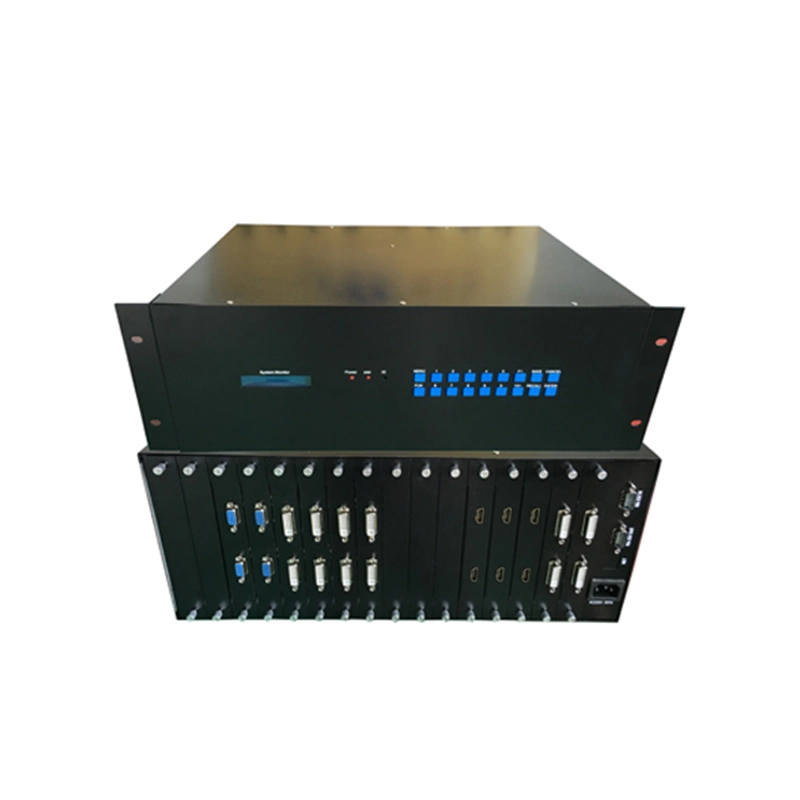
Qtenboard menyediakan sistem matriks skrin splicing ke pusat keselamatan bandar asia tenggara, menyokong output suapan kamera 120 hingga 30 skrin splicing lancar. Pensuisan cekap dan pemprosesan isyarat matriks membolehkan pemantauan bandar masa nyata, mencapai paparan pelbagai paparan dan meningkatkan kecekapan operasi.
Di perusahaan pembuatan eropah utama, matriks skrin splicing Qtenboard bersepadu data pengeluaran, kemajuan projek, analisis jualan, dan maklumat pasaran global. Kawalan jauh membolehkan pentadbir menyesuaikan susun atur dan menukar isyarat, meningkatkan kejelasan maklumat dan kelajuan membuat keputusan.
Dalam sebuah pusat membeli-belah yang besar, matriks Qtenboard disokong skrin pelbagai pengiklanan dan penukaran kandungan interaktif, meningkatkan penglibatan pelanggan. Sistem ini membolehkan pelarasan masa nyata bahan iklan berdasarkan keperluan kedai, memastikan paparan yang tepat dan lancar.
Matriks skrin splicing adalah peranti teras dalam sistem paparan skrin besar moden, mengendalikan input pelbagai isyarat, output resolusi tinggi, dan susunan skrin fleksibel. Qtenboard, dengan kebolehpercayaan yang tinggi, prestasi paparan HD, kemudahan operasi, dan perkhidmatan selepas jualan yang komprehensif, membawa pasaran dalam penyelesaian matriks skrin splicing. Sama ada dalam pemantauan keselamatan, pusat arahan perusahaan, pengurusan trafik, paparan komersial, atau tetapan pendidikan, Qtenboard menyediakan penyelesaian paparan yang cekap, stabil, dan pintar.
Apabila permintaan paparan visual digital tumbuh, Qtenboard akan terus berinovasi dalam teknologi matriks skrin splicing, menyampaikan sistem visual yang lebih bijak, lebih fleksibel, dan sangat cekap yang memberi kuasa kepada pengurusan digital dan transformasi maklumat di seluruh industri.
Klik untuk membaca butiran produk dan belajar tentang ciri-ciri fungsinya dan prestasi sebenar.
📖Baca produk
 MAY
MAY
 EN
EN  TH
TH  CHT
CHT  ID
ID  BUR
BUR  FIL
FIL  HKM
HKM  LAO
LAO  SIN
SIN  VIE
VIE